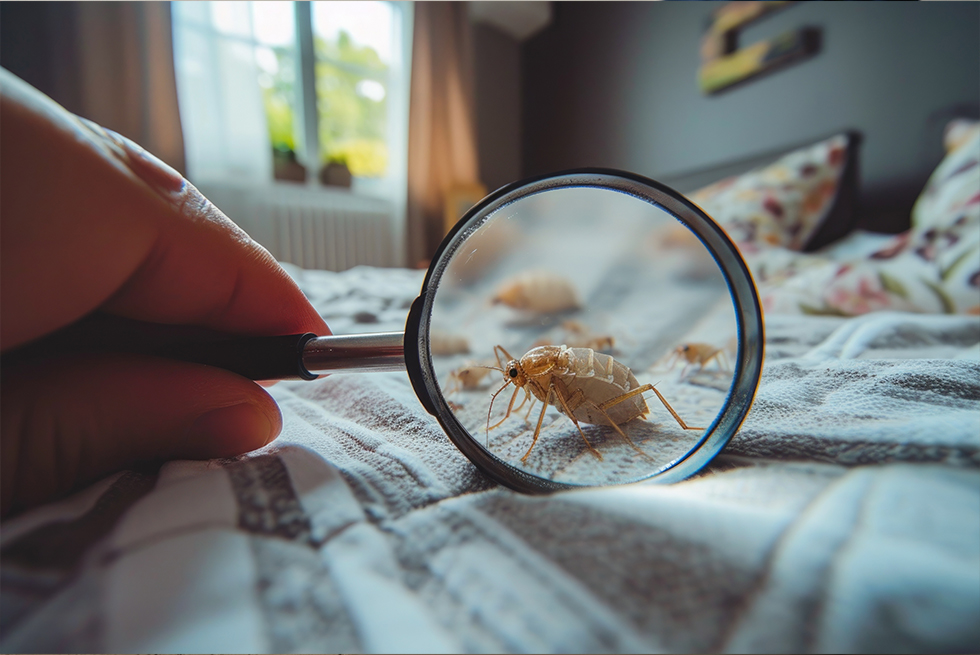
House Dust Mites (HDM) are one of the leading causes of perennial allergic rhinitis and persistent bronchial asthma, affecting millions of people worldwide. These microscopic particles, found in mattresses, pillows, carpets, or stuffed animals, are a continuous source of exposure for sensitized patients, making clinical control difficult and significantly impacting quality of life.
A systematic review published in 2024 gathered data from 56 clinical trials involving more than 14,600 patients, concluding that allergen-specific immunotherapy (AIT), both sublingual (SLIT) and subcutaneous (SCIT), is effective in reducing symptoms and the need for medication in patients allergic to HDM. These benefits have been consistently demonstrated in both pediatric and adult populations, including patients with rhinitis and those with associated asthma.
Prevention and Complementary Measures
Although immunotherapy is the only treatment capable of modifying the natural course of allergic disease, its efficacy can be enhanced by environmental control measures:
- Avoiding humidity at home (<50% relative humidity)
- Ventilating rooms daily and removing unnecessary carpets or textiles
- Using dust mite-proof covers for mattresses and pillows
- Maintaining indoor temperatures below 20°C
- Frequent vacuuming using HEPA filters
These measures do not replace pharmacological or immunotherapy treatments but help reduce the allergen load in the home environment, limiting continuous exposure and supporting a better treatment response.
Immunotherapy as the Treatment of Choice
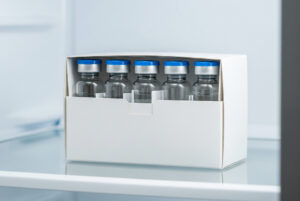
Dust mite immunotherapy is a well-established strategy for reducing allergic reactivity by modulating the immune response and achieving sustained effects after treatment ends. The combination of robust clinical evidence, practical preventive measures, and patient education and adherence makes allergen-specific immunotherapy a key tool in the comprehensive management of allergic disease caused by house dust mites.
Bibliography
- Calderón MA, Bousquet J, Durham SR, Casale T, Akdis CA. Allergic respiratory disease caused by house dust mites: What do we really know? J Allergy Clin Immunol. 2015;136(1):38–48.
- Greiner AN, Hellings PW, Rotiroti G, Scadding GK. Allergic rhinitis. Lancet. 2011;378(9809):2112–22.
- Rodríguez-Domínguez A, Berings M, Hentges F, Bachert C, Pilette C. Allergy immunotherapy in respiratory disease: from mechanisms to biomarkers. Immunol Allergy Clin North Am. 2020;40(1):1–14.
- Ciprandi G, et al. Meta-analysis of House Dust Mite Immunotherapy Efficacy. J Investig Allergol Clin Immunol. 2024;34(2):123–32. doi:10.1016/j.jiaci.2024.01.015. Disponible en: https://www.sciencedirect.com/science/article/pii/S2772829324000511
- Shamji MH, Durham SR. Mechanisms of immunotherapy to aeroallergens. Clin Exp Allergy. 2011;41(9):1235–46.
- Liu Z, Zhang T, Han L, Ma J, Zhang L. Allergen immunotherapy for allergic rhinitis: a systematic review and meta-analysis. Rhinology. 2022;60(1):8–21.
- Pfaar O, Bastl K, Berger U, et al. The role of allergen exposure and avoidance in allergen immunotherapy. Allergy. 2019;74(9):1660–70.
- Valero A, Ferrer M, Sastre J, Navarro AM, Monclús L, Martí-Guadaño E, et al. A national consensus on the definition of control and guidelines for the control of allergic rhinitis. J Investig Allergol Clin Immunol. 2011;21 Suppl 3:1–17.
- Bousquet J, Lockey R, Malling HJ. Allergen immunotherapy: therapeutic vaccines for allergic diseases. A WHO position paper. J Allergy Clin Immunol. 1998;102(4):558–62.
- Kuehr J, Brauburger J, Zielen S, et al. Efficacy of combination treatment with montelukast and loratadine in seasonal allergic rhinitis. Eur Respir J. 2003;21(1):75–82.
- Bozek A, Jarzab J. Efficacy and safety of sublingual immunotherapy with house dust mite allergen in elderly allergic rhinitis patients. Ann Allergy Asthma Immunol. 2010;104(5):448–55.
- Calderón MA, Vidal C, Rodríguez del Río P, Just J, Pfaar O. House Dust Mite Respiratory Allergy: An Overview of Current Therapeutic Strategies. J Investig Allergol Clin Immunol. 2021;31(5):373–83.