
During the summer, allergic patients should follow a few recommendations in order to avoid allergic problems, since:
- 7 out of 10 allergic food reactions occur outside the home.
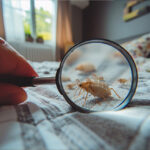
- House dust mites, which are responsible for house dust allergy, are very abundant in seaside regions.
- Asthma medication should also be taken in summer, stopping it can increase asthma attacks in autumn.
Warnings about new situations that allergic patients and their families should be aware:
- Some sun creams and anti-inflammatory medicines can cause eczema due to solar radiation.
- Food allergy reactions increase in summer, as eating out is more common.
- Some fruits such as melon and watermelon can cause oral inflammation in pollen-allergic patients.
- The risk of an allergic reaction to stings from hymenopterous insects (wasps and bees) increases during summer months.
- Frequent bathing in swimming pools can exacerbate the symptoms of atopic dermatitis in many patients, especially in children.
- House dust mites, which are responsible for house dust allergy, are very abundant in seaside regions.
- Sometimes people travel to rural environments where they come into contact with species with which they do not normally have a direct relationship and which may cause allergy, such as horses, sheep, goats…
- In the north the pollinization of grasses is longer, so if you are travelling it is advisable to take medication to combat the symptoms of rhinoconjunctivitis and asthma.
In all cases…
- All patients suffering from any type of allergy should travel with the medication recommended by their allergists.
- In the case of allergy vaccines, it is advisable to transport them in a cool bag.
Bibliography: Sociedad Española de Alergología e Inmunología Clínica, SEAIC.