Spring brings flowers… and also symptoms. Sneezing, itchy nose and coughing, yes, but also red, watery and irritated eyes. Allergic conjunctivitis is one of the most common and neglected manifestations of allergic diseases.
An allergy that can be seen… and felt
It is not serious, but it can be very annoying: the itching is so intense that many patients cannot help rubbing their eyes, which only makes the inflammation worse. This is compounded by constant tearing, a gritty sensation, photophobia and even difficulty concentrating.
The good news: it can be easily controlled with the right approach.
Who gets it?
- It usually appears in children and adolescents, but can affect any age.
- In most cases, it is associated with allergic rhinitis.
- In countries such as Spain, up to 30-40% of school children with allergies have eye symptoms.
- Outbreaks are more frequent in spring and summer, although there are also perennial forms associated with mites or animals.
What causes it?
- Pollen from grasses, trees or weeds.
- Dust mites
- Animal dander
- Environmental fungi
- The immune system overreacts to these allergens and releases histamine, which triggers eye symptoms.
So what can you do?
- Avoid exposure to the allergen if known (closed windows, pollen filters, avoid going out on windy days or high pollen counts).
- Do not rub your eyes, however difficult it may seem: it only aggravates the itching.
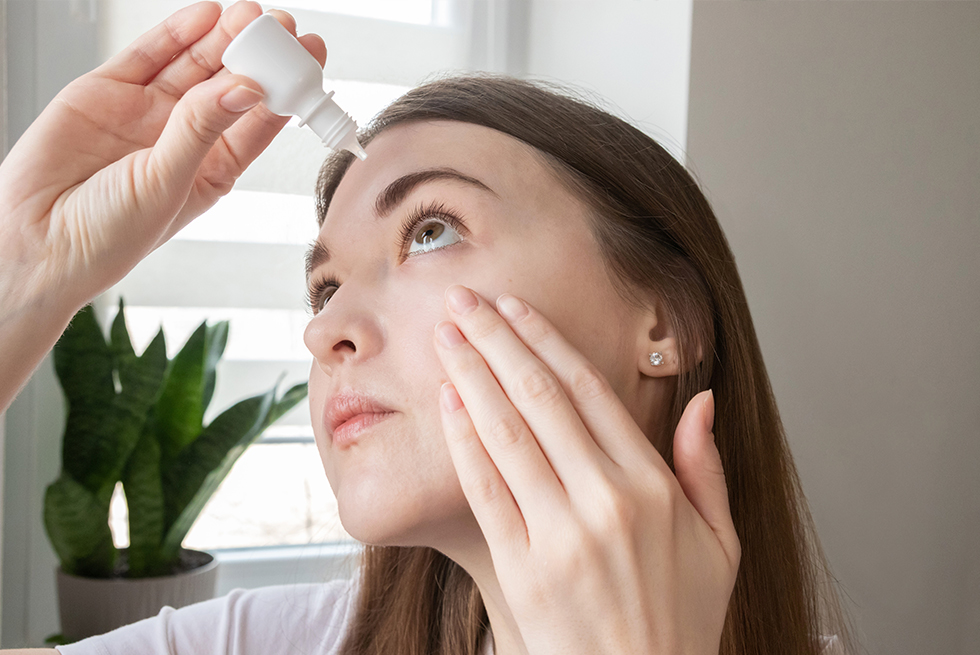
- Artificial tears: soothe, moisturise and help eliminate allergens.
- Cold compresses: reduce inflammation and itching.
- Pharmacological treatment: antihistamine eye drops, autovaccines (always under medical supervision).
- Consult an allergist: especially if there are associated respiratory symptoms.
Allergic conjunctivitis affects quality of life, school performance and emotional well-being.
With small gestures and appropriate treatment, eyes can once again enjoy spring… without tears.